

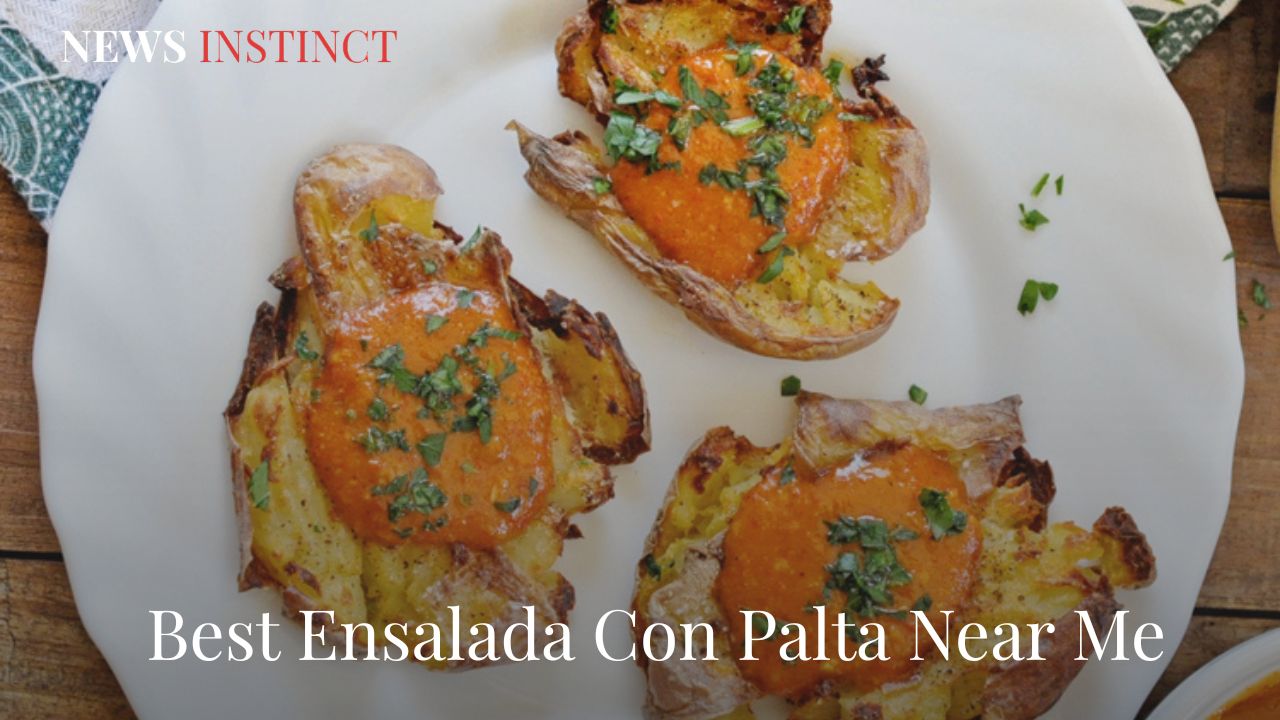
If you’ve typed “best mojo picon potatoes near me” into your search bar, you’re chasing one of Spain’s most addictive dishes. Mojo picón potatoes (properly called papas arrugadas con mojo picón) are salt-crusted wrinkled potatoes served with a fiery red garlic sauce that originated in the Canary Islands. The dish is beautifully simple: small potatoes, a wall of salt, and a sauce built on dried peppers, garlic, cumin, olive oil, and vinegar. Getting it right takes technique and restraint. Getting it wrong is painfully common.
This guide covers where to find the best mojo picon potatoes near you, what separates a great plate from a forgettable one, the history and culture behind the dish, and a tested recipe for making your own at home when no nearby restaurant delivers the real thing.
What Are Best Mojo Picon Potatoes Near Me?
Mojo picón potatoes are a traditional dish from Spain’s Canary Islands, the volcanic archipelago off the northwest coast of Africa. The full Spanish name is papas arrugadas con mojo picón, which translates literally to “wrinkled potatoes with spicy sauce.”
The potato component, papas arrugadas, involves boiling small, unpeeled potatoes in heavily salted water. According to Wikipedia’s entry on the dish, the potatoes were historically cooked in seawater because fresh water was scarce on the islands. Once boiled, the water is drained and the potatoes are returned to the pot over low heat until the remaining moisture evaporates, leaving the skins shrivelled and coated in a fine white salt crust.
The sauce, mojo picón, is the spicy member of the Canarian mojo family. It’s made by blending dried red peppers (or chillies), raw garlic, sweet and hot paprika, ground cumin, coarse salt, red wine vinegar, and extra virgin olive oil. The result is a thick, rust-red sauce with a smoky heat and sharp acidity. It should be punchy without obliterating everything else on your palate.
There are three types of Canarian mojo sauce:
- Mojo picón (spicy red): the fiery version, made with dried chillies or hot peppers
- Mojo rojo (red): a milder red sauce with similar ingredients but less heat
- Mojo verde (green): a fresh, herby sauce made with coriander (cilantro), parsley, and green pepper
Tradition calls for serving both red and green mojo alongside the potatoes so diners can switch between them. The red is typically paired with meat, the green with fish and seafood.
How to Find the Best Mojo Picon Potatoes Near You
Searching for “best mojo picon potatoes near me” on Google Maps or a restaurant app will return varying results depending on your location. The dish appears most reliably at certain types of restaurants, and knowing which to target saves you from ordering a disappointing imitation. Also in there resturants also offers you Best Ensalada Con Palta Near Me.
Spanish Tapas Bars
Your strongest bet. Tapas bars that take their food seriously tend to include papas arrugadas con mojo picón or a close variation on their menus. In London, established names like Barrafina (with branches in Soho, King’s Cross, Covent Garden, and Borough Yards), José Pizarro’s restaurants in Bermondsey, Sabor in Mayfair, and Lobos in Soho all serve high-quality Spanish small plates. Not every one of these will list mojo picón potatoes on any given night (menus rotate), but they represent the standard of cooking where you’d expect the dish to be done properly.
Outside London, Spanish restaurants and tapas bars in cities like Manchester, Edinburgh, Bristol, and Birmingham are growing in number. Search for restaurants describing themselves as Canarian, Andalusian, or broadly Spanish (rather than “Mediterranean” or “fusion”), and check recent customer photos before booking.
[Internal Link: News Instinct article on best tapas restaurants in the UK]
Canarian and Regional Spanish Restaurants
If a restaurant specifically mentions the Canary Islands on its menu or website, the odds of an authentic plate go up sharply. These kitchens treat mojo picón as a signature rather than an afterthought. The sauce will likely be made fresh from dried peppers, and the potatoes will be the small, waxy variety cooked the traditional way.
Mediterranean and Latin Fusion Restaurants
Some Mediterranean kitchens include mojo picón potatoes on their appetiser menus. The quality here varies enormously. A restaurant that makes its sauces from scratch can produce an excellent version. One that reaches for a jar of generic chilli sauce will not. Look at the menu language: terms like patatas canarias, papas arrugadas, or mojo picón suggest a kitchen that knows what it’s doing. A vague description like “spicy potatoes” is less promising.
Food Markets and Pop-Ups
In larger UK cities, food halls and weekend markets sometimes feature Spanish vendors. Borough Market in London, for instance, is home to Brindisa, which has been importing and serving Spanish produce for decades. These settings can be a good place to discover the dish if you’ve never tried it.
How to Tell If a Restaurant’s Mojo Picon Potatoes Are Any Good
Not all versions are created equal. A truly well-made plate of mojo picón potatoes has a set of characteristics you can identify quickly. Here’s what to look for, and what to avoid.
Signs of a Good Plate
The potatoes hold their shape. They should be firm on the outside with a fluffy, tender interior. If they’re falling apart or mushy, they were overcooked or the wrong variety was used. Traditional papas arrugadas use small, waxy potatoes (the Canarian papa bonita or papa negra are ideal, though hard to find outside the islands). Baby new potatoes are the closest widely available substitute in the UK, as noted by Delicious Magazine.
You can see a salt crust. A visible white, chalky coating on the skin is the hallmark of proper technique. This crust forms when the salted cooking water evaporates and the potatoes are dried over low heat. If the potatoes look like ordinary boiled potatoes with no crust, the kitchen skipped this step.
The sauce is thick and deeply coloured. Authentic mojo picón should be a deep red or rust colour with a thick, slightly grainy texture. A watery, orange sauce is a red flag. Fresh mojo smells strongly of raw garlic and toasted cumin; jarred versions lack that punch.
The sauce is served on the side. Traditionally, mojo picón is offered in a separate bowl so you can dip each potato. Pouring the sauce directly over the potatoes softens the salt crust and turns the dish soggy. A restaurant that understands this is more likely to get everything else right too.
Warning Signs
Oversized potatoes. The dish works because small potatoes have a high skin-to-flesh ratio, which means more salt crust in every bite. Large potato chunks or wedges are a different dish entirely.
Pre-made or bottled sauce. If the mojo tastes flat, overly smooth, or has a processed quality, the kitchen probably opened a jar. Freshly made mojo has a raw garlic bite and a brightness that bottled versions can’t match.
Excessive toppings. Authentic papas arrugadas con mojo picón is a study in simplicity. If the potatoes are buried under cheese, sour cream, or six other garnishes, you’re eating a different recipe.
Mojo Picon Potatoes vs. Patatas Bravas: What’s the Difference?
The two most famous Spanish potato tapas dishes get confused regularly, but they’re quite different. According to Spice Mountain, patatas bravas (Spain’s most widely known potato tapa) are typically cubed or chunked potatoes that are fried until crispy, then drizzled with a spicy tomato sauce (salsa brava) and sometimes aioli.
Mojo picón potatoes, by contrast, are whole small potatoes boiled in salt water, never fried. The sauce is pepper-and-garlic based rather than tomato-based. The textures are different: bravas are crunchy and oily; mojo picón potatoes are tender with a salty, slightly chewy skin. Both are excellent, but they come from different regions and culinary traditions. Bravas are a mainland Spanish bar snack. Mojo picón potatoes are a Canarian dish with roots in island agriculture and the Atlantic fishing trade.
If you love one, you’ll almost certainly enjoy the other. Look for restaurants that serve both and try them side by side.
[Internal Link: News Instinct article on best patatas bravas recipes]
The History Behind the Dish
The potato arrived in the Canary Islands in the 16th century, brought by Spanish explorers returning from the Andes. According to historical accounts documented by Spanish Sabores and multiple Canarian food historians, potatoes thrived in the islands’ volcanic soil and quickly became a dietary staple.
The cooking technique was shaped by necessity. Fresh water was scarce on many of the islands, so fishermen and farming families boiled their potatoes in seawater drawn from the coast. The high salinity produced the wrinkled, salt-crusted skin that defines the dish today. Modern cooks replicate this by adding large quantities of coarse sea salt to tap water (roughly 3 to 4 heaped tablespoons per kilogram of potatoes, or until the water tastes noticeably briny).
The potato varieties grown on the islands, collectively known as papas antiguas (“ancient potatoes”), hold a Protected Designation of Origin (PDO) status. These include the papa bonita, papa negra, and papa azucena. They’re small, dense, and waxy, qualities that make them perfect for this cooking method. Outside the Canary Islands, they’re extremely difficult to source, which is why most UK and international versions use baby new potatoes or fingerling varieties.
Mojo sauce itself has a more complex origin. According to Lanzarote.com’s culinary guide, the sauce evolved from the spice trade that passed through the Canary Islands. The combination of dried peppers from the Americas, garlic from the Mediterranean, and cumin from North Africa or the Middle East reflects the islands’ position as a crossroads between continents. The word “mojo” is believed to derive from the Portuguese molho, meaning sauce.
How to Make Mojo Picon Potatoes at Home
If your search for “best mojo picon potatoes near me” comes up short, you can make an impressive version in your own kitchen. The dish is one of the simplest tapas recipes to prepare, requiring only a handful of ingredients and about 45 minutes of your time. The recipe below draws on traditional methods described by The Spanish Radish, Omar Allibhoy (author of Tapas Revolution), and Spanish Sabores.
Ingredients
For the potatoes (serves 4 as a tapa):
- 1 kg small waxy potatoes (baby new potatoes work well in the UK)
- 3 to 4 tablespoons coarse sea salt
For the mojo picón:
- 4 to 5 garlic cloves, peeled
- 2 dried red chillies (or 1 teaspoon dried chilli flakes)
- 1 teaspoon sweet paprika
- ½ teaspoon hot smoked paprika
- 1 teaspoon ground cumin
- 150 ml extra virgin olive oil
- 1 to 2 tablespoons red wine vinegar
- ½ teaspoon coarse salt
- A small piece of stale bread (optional, for thickening)
Method
Potatoes: Wash the potatoes well but do not peel them. Place them in a large saucepan and cover with cold water. Add the coarse sea salt. Bring to a rolling boil, then reduce heat slightly and cook uncovered for 20 to 25 minutes until a knife slides easily into the centre. Drain off all the water. Return the potatoes to the same pan over a low heat and shake the pan gently for 3 to 5 minutes. The remaining moisture will evaporate, and you’ll see the skins wrinkle and a white salt film form on the surface. Remove from heat.
Mojo picón: If using whole dried chillies, soak them in hot water for 10 minutes, then drain and remove stems and seeds. Place the garlic, chillies, both paprikas, cumin, and salt in a mortar and pestle or small food processor. Grind to a coarse paste. Add the vinegar and blend briefly. Slowly drizzle in the olive oil while blending until the sauce reaches a thick, pourable consistency. Taste and adjust the salt, vinegar, and heat to your preference. If the sauce is too thick, thin it with a splash of water.
To serve: Pile the potatoes onto a warm plate. Serve the mojo picón in a bowl alongside them. Eat with your hands: pick up a potato, crush it slightly with your thumb to create a well, spoon in some sauce, and eat in one bite.
Tips for the Best Results
Use the smallest potatoes you can find. A high skin-to-flesh ratio means more salt crust and better texture. Don’t be alarmed by the quantity of salt. Most of it stays in the cooking water; only a thin layer coats the skin. The mojo can be made a day or two ahead. Store it covered in the fridge and bring it to room temperature before serving. For extra authenticity, use a mortar and pestle rather than a food processor. It produces a coarser, more textured sauce.
Where to Buy Mojo Picon Sauce and Ingredients in the UK
Making the sauce from scratch is always preferable, but jarred mojo picón is available from Spanish delis and online retailers. The Tapas Lunch Company, Brindisa, and specialist sites like Piccantino stock imported Canarian mojo sauces. Prices typically range from £3 to £6 for a jar.
For dried Canarian peppers (the hardest ingredient to source in the UK), dried ñora peppers are the closest substitute and can be found at Spanish food shops or ordered online. Small dried cayenne or piquín chillies work as alternatives if ñora peppers are unavailable.
Baby new potatoes for the papas arrugadas are widely available at UK supermarkets including Tesco, Sainsbury’s, and Waitrose. Look for the smallest ones in the bag.
Health Benefits of Mojo Picon Potatoes
This article is for general information only. Always consult a qualified healthcare professional before making changes to your diet or health routine.
The dish offers more nutritional value than you might expect from something so simple. According to nutritional data from Happy Kitchen, a serving of plain papas arrugadas (without sauce) contains roughly 109 to 130 kcal, with 25 to 29 g of carbohydrates, 3 g of protein, and almost no fat. Potatoes are a good source of vitamin C, potassium, and fibre.
The mojo picón sauce adds healthy fats from extra virgin olive oil (rich in monounsaturated fatty acids) along with bioactive compounds from its other ingredients. As documented by Discovering Islas Canarias, red peppers are rich in vitamin C and antioxidants, garlic has established antibacterial and anti-inflammatory properties, and cumin aids digestion. Capsaicin from the chilli peppers may have metabolism-boosting effects, according to broader nutritional research.
The main health consideration is sodium. The heavy salting used in papas arrugadas produces a high-sodium dish. If you’re watching your salt intake, you can reduce the salt in the cooking water and still get reasonably good results, though the characteristic crust will be less pronounced.
FAQ’S About Best Mojo Picon Potatoes Near Me
1. What does mojo picón taste like?
The sauce is smoky, garlicky, and moderately spicy with a sharp vinegar tang. The heat level varies by recipe. Traditional versions range from a mild warmth to a genuine kick, depending on how many chillies are used.
2. Is mojo picón the same as mojo rojo?
They’re related but not identical. Mojo rojo is the milder red mojo sauce. Mojo picón is the spicy version, made with additional chilli peppers. “Picón” comes from picar, the Spanish verb meaning to sting or bite.
3. Can I eat the potato skins?
Yes. The skin is an integral part of the dish. The wrinkled, salt-crusted skin is what makes papas arrugadas distinctive. You eat them whole, dipped in sauce.
4. Are mojo picon potatoes vegan?
Yes. Both the potatoes and the traditional mojo picón sauce are entirely plant-based. The sauce contains olive oil, not butter or dairy.
5. How long does homemade mojo picón keep?
Stored in an airtight container in the fridge, mojo picón keeps well for about 5 days. Mojo verde, because of the fresh herbs, lasts only 2 days. You can also freeze mojo picón for up to 3 months.
6. What should I pair with mojo picon potatoes?
They work brilliantly alongside grilled fish, roasted meats, chorizo, fried calamari, or a broader tapas spread. A glass of Albariño or a cold Canarian beer is the traditional drink pairing.
Your Next Step
Searching for the best mojo picon potatoes near you is worth the effort, but be choosy. A great plate of this dish is defined by restraint and quality: small potatoes, a visible salt crust, and a sauce that’s been made fresh with real garlic, real peppers, and good olive oil. If no nearby restaurant meets that standard, the home recipe above takes under an hour and costs very little.